fasih khokhar
89 posts
Feb 14, 2025
7:18 AM

|
Lithium batteries became an essential part of contemporary technology, powering sets from smartphones and laptops to electric vehicles and renewable power storage systems. Unlike traditional lead-acid or nickel-cadmium batteries, lithium batteries offer higher energy density, longer lifespan, and faster charging capabilities. This ensures they are the favorite choice for most applications where efficiency and portability are key. The demand for lithium batteries has skyrocketed in recent years, primarily because of the rapid growth and development of electric vehicles (EVs), portable electronics, and solar energy storage solutions. As technology advances, lithium battery performance continuously improve, causing them to be a significant component of the future of energy storage 24V Lithium ion Battery.
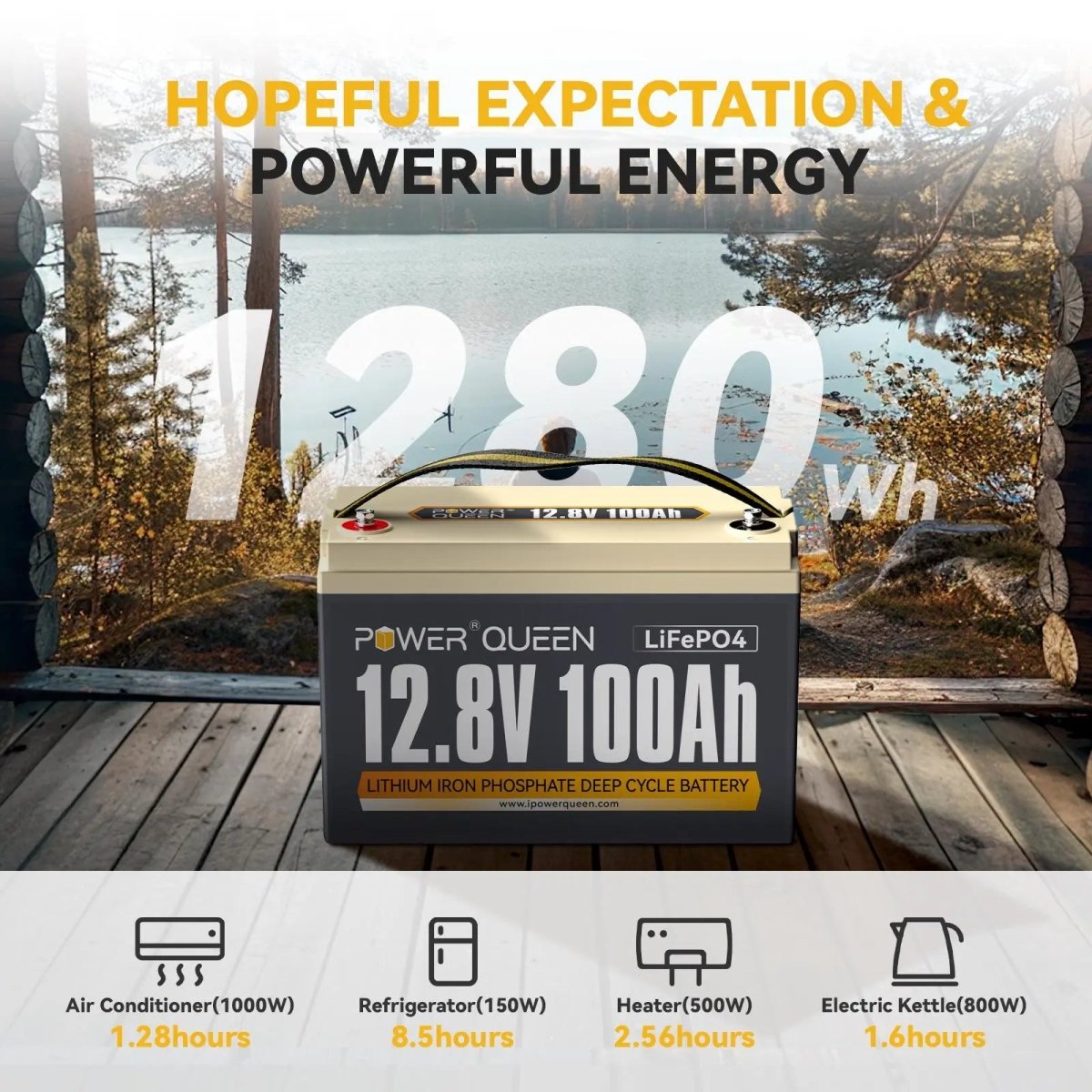
One of the primary attributes of lithium batteries could be high energy density, meaning they might store more energy in a concise size when compared with traditional battery types. This means they perfect for small, lightweight devices such as smartphones, tablets, and wearable gadgets. Additionally, lithium batteries have a low self-discharge rate, permitting them to retain power for long periods without frequent recharging. This is particularly therapeutic for applications for example medical devices, backup power systems, and emergency lighting, where reliability is crucial. The automotive industry in addition has embraced lithium battery technology, as EVs trust in lithium-ion batteries to provide the necessary power for long-range, efficient performance. Furthermore, lithium batteries are utilized in power from the sun storage systems, enabling homeowners and businesses to help keep solar and lower attachment to the grid.
Despite their many advantages, lithium batteries also include challenges and safety concerns. One major issue is the risk of thermal runaway, circumstances the place that the battery overheats which enables it to catch fire or explode caused by a short circuit or overcharging. For this reason battery management systems (BMS) are essential to observe temperature, voltage, and charging cycles, ensuring safe operation. Additionally, the mining and extraction of lithium, cobalt, and also other rare materials included in battery production raise environmental and ethical concerns. The industry is taking care of sustainable alternatives and recycling methods to minimize the impact of lithium battery disposal. Researchers can also be exploring solid-state lithium batteries, which promise improved safety and higher energy capacity without the danger of leaks or fires involving liquid electrolytes.
The future of lithium batteries looks promising, with ongoing advancements targeted at causing them to better, longer-lasting, and environmentally friendly. Scientists are developing faster-charging lithium batteries that may reach full charge in only minutes rather then hours, that may revolutionize the EV industry. Additionally, solid-state lithium batteries are hoped for to be the next big breakthrough, offering greater energy storage capacity and enhanced safety compared to standard lithium-ion batteries. Recycling initiatives will also be improving, with new processes being developed to recover valuable materials from used lithium batteries, reducing the necessity of raw material extraction. As requirement for sustainable energy storage and electric transportation is maintaining growth, lithium battery technology can play a key role in shaping a sustainable and energy-efficient future.
|
