|
|
|
Blog >
Education: The Foundation of Personal Growth and S
Education: The Foundation of Personal Growth and S
Page:
1
sehogi6860
520 posts
Dec 22, 2025
7:32 AM

|
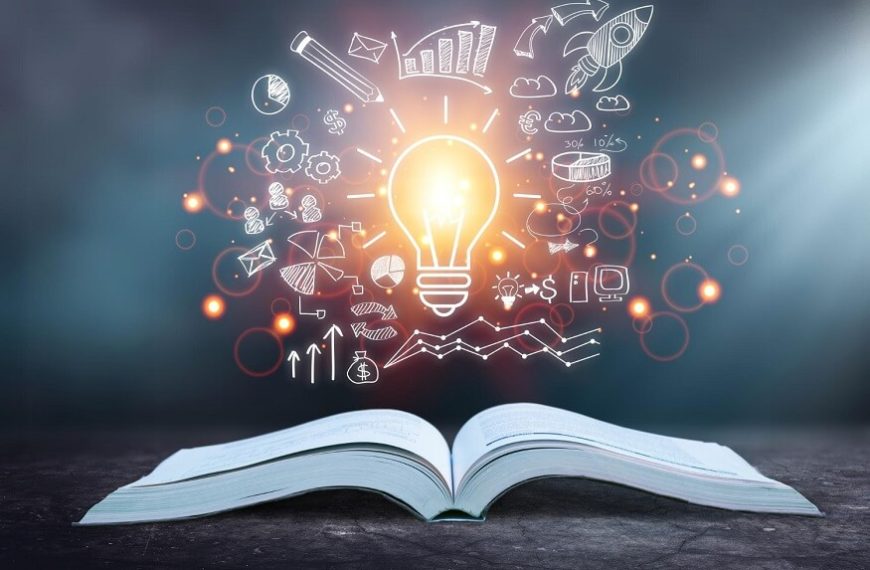
Education is one of the most powerful tools for shaping individuals and societies. It goes far beyond the classroom, influencing how people think, communicate, and contribute to the world around them. From early childhood learning to higher education and lifelong skill development, education plays a central role in building informed, responsible, and capable
At its core, education provideducationngr.comes knowledge and essential skills such as reading, writing, problem-solving, and critical thinking. These abilities empower individuals to understand the world, make informed decisions, and adapt to changing circumstances. In an age of rapid technological advancement, education also helps people develop digital literacy and creativity, which are increasingly important for success in modern economies.
Education is equally important for personal development. It builds confidence, encourages curiosity, and fosters values such as discipline, empathy, and respect for others. Through exposure to different ideas, cultures, and perspectives, learners develop open-mindedness and a deeper understanding of humanity. This personal growth enables individuals to pursue their goals, overcome challenges, and lead meaningful lives.
From a societal perspective, education is a key driver of economic growth and social stability. A well-educated population is more likely to innovate, increase productivity, and contribute positively to the workforce. Education also helps reduce poverty and inequality by creating opportunities for individuals from diverse backgrounds. When people have access to quality education, they are better equipped to improve their living conditions and participate actively in civic life.
Moreover, education plays a vital role in strengthening democracy and promoting peace. Educated citizens are more likely to understand their rights and responsibilities, engage in constructive dialogue, and resist misinformation. By teaching history, ethics, and social studies, education helps societies learn from the past and work toward a more just and inclusive future.
However, challenges remain. Unequal access to education, outdated curricula, and lack of resources continue to affect many regions of the world. Addressing these issues requires investment, innovation, and a commitment to making education inclusive and relevant for all learners. Embracing new teaching methods, technology, and lifelong learning opportunities can help bridge these gaps.
In conclusion, education is the foundation upon which individuals and societies build their futures. It nurtures knowledge, character, and opportunity, making it essential for progress in every aspect of life. By valuing and strengthening education, we invest not only in individual success but also in a more prosperous, fair, and sustainable world.
|
Armstrong
68 posts
Jun 19, 2026
10:51 PM
|
I am incredibly proud to announce that I have successfully passed the Microsoft Certified: AI Fundamentals (AB-900) certification exam with brilliant marks, thanks to the comprehensive preparation materials on the Marks4Sure.com platform. The platform's targeted focus on masterfully explaining core machine learning concepts, detailing computer vision and natural language processing features, and exploring Azure's fundamental cloud intelligence offerings provided the exact conceptual depth and foundational confidence I needed to ace the test. I highly recommend Marks4Sure to any fellow students seeking a reliable, high-quality, and completely comprehensive study resource to guarantee their absolute passing success in the demanding world of modern business technology automation, introductory data science workflows, and responsible artificial intelligence principles.
Slash your exam costs: https://www.marks4sure.com/AB-900-exam.html
|
Poojaashnn
1 post
Jul 18, 2026
4:19 AM
|
Well said. Along with quality teaching, having access to reliable educational information and student resources is equally important. For those looking for academic updates, student services, and helpful guidance, the education portal 3.0 login can be a useful starting point to explore relevant education-related information and resources.
|
Post a Message
|
|
