sehogi6860
534 posts
Dec 27, 2025
9:12 AM

|
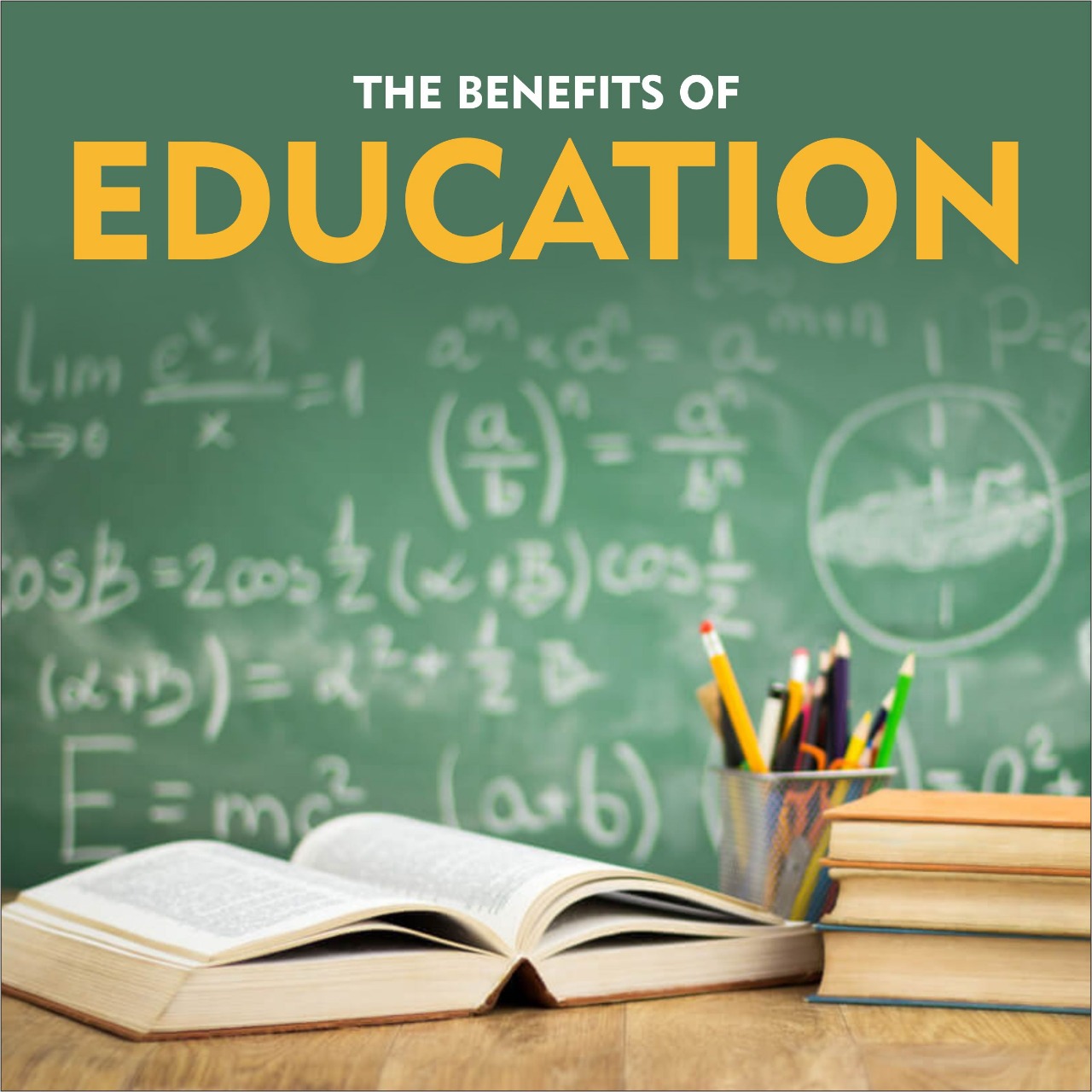
Education is one of the most powerful tools for personal growth and social development. It shapes individuals’ knowledge, skills, values, and attitudes, enabling them to contribute meaningfully to society. In an increasingly interconnected and rapidly changing world, education plays a crucial role in preparing people to face new challenges and opportunities.
At an individual level, education opens doors to better employment opportunities and higher standards of living. It helps people develop critical thinking, problem-solving abilities, and effective communication skills. Beyond academic knowledge, education builds confidence and encourages lifelong learning, allowing individuals to adapt to changes in technology, the economy, and society.
From a societal perspective, education is essential for economic growth and stability. A well-educated population drives innovation, productivity, and entrepreneurship. Countries that invest in education tend to experience lower levels of poverty and unemployment, as citizens are better equipped to participate in the workforce and create sustainable livelihoods.
Education also plays a vital role in promoting social equality and justice. By providing access to learning opportunities for all—regardless of gender, background, or income—education helps reduce social gaps and empowers marginalized communities. It fosters awareness of human rights, civic responsibilities, and democratic values, encouraging active and informed citizenship.
In today’s digital age, education is evolving rapidly. Technology has transformed how knowledge is delivered, making learning more flexible and accessible through online platforms, virtual classrooms, and digital resources. However, this transformation amore helplso highlights challenges such as unequal access to technology and the need for digital literacy, which education systems must address.
In conclusion, education is the foundation of personal success and societal progress. It not only equips individuals with knowledge and skills but also shapes ethical values and social responsibility. By prioritizing quality and inclusive education, societies can build a more informed, equitable, and sustainable future for generations to come.
|
