|
|
|
Blog >
Solar Contractor Helping Homeowners Invest in Clea
Solar Contractor Helping Homeowners Invest in Clea
Page:
1
sehogi6860
592 posts
Jan 12, 2026
7:43 AM

|
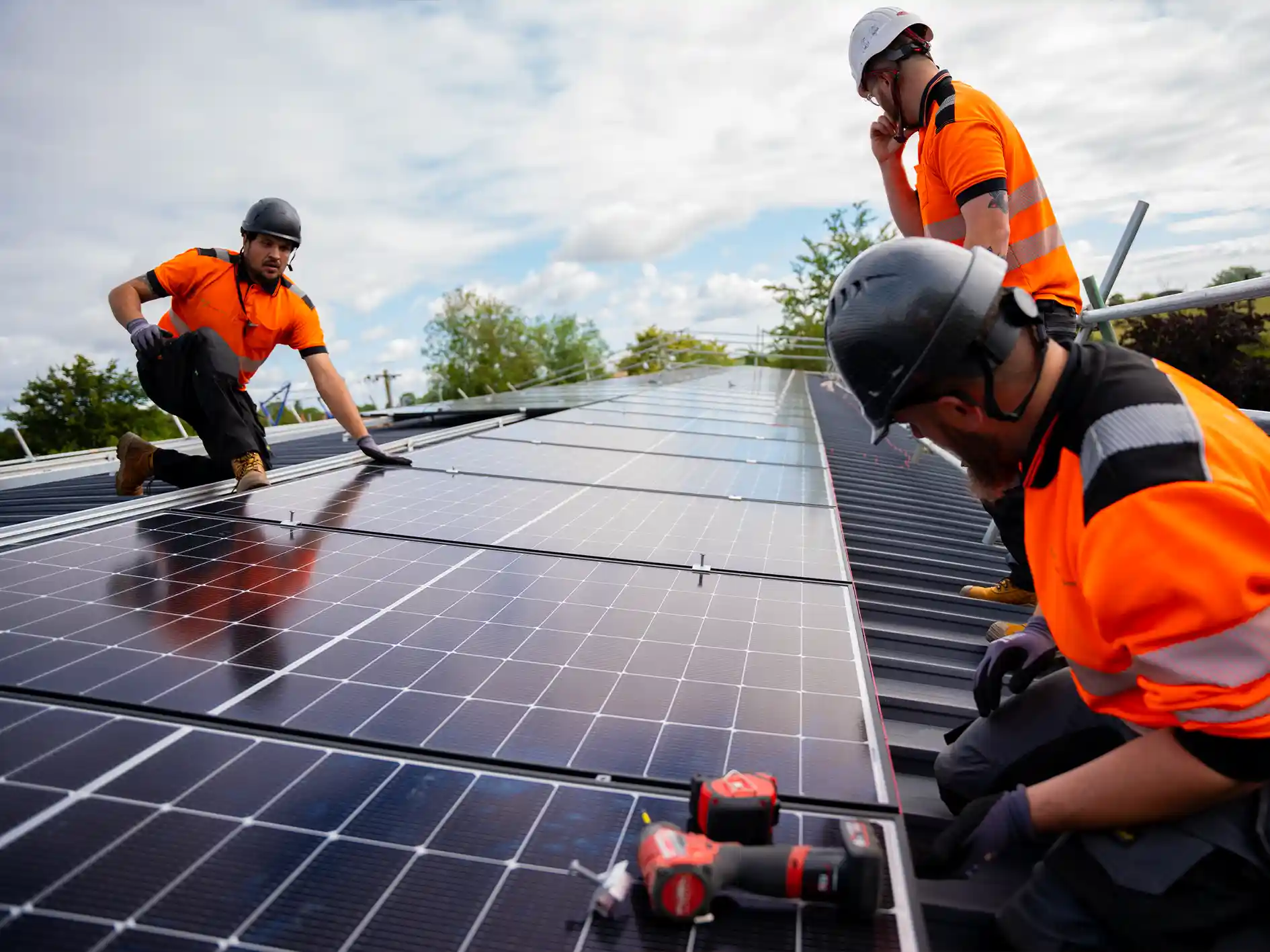
As the world faces growing concerns about climate change, rising energy costs, and dependence on fossil fuels, solar panels have emerged as one of the most promising solutions for clean and renewable energy. By converting sunlight into electricity, solar panels provide an environmentally friendly way to meet energy needs for homes, businesses, and entire communities.
What Are Solar Panels and How Do They Work?
Solar panels are devices made up of photovoltaic (PV) cells, usually composed of silicon. When sunlight hits these cells, it excites electrons and creates an electric current. This process, known as the photovoltaic effect, allows solar panels to generate direct current (DC) electricity. An inverter then converts this DC electricity into alternating current (AC), which can be used to power appliances, lighting, and electronic devices.
Benefits of Solar Panels
One of the greatest advantages of solar panels is their environmental impact. Solar energy is clean, renewable, and produces no greenhouse gas emissions during operation. This helps reduce air pollution and slows the effects of climate change.
Solar panels also offer financial benefits. While the initial installation cost can be high, solar systems significantly reduce electricity bills over time. In many regions, governments offer tax credits, rebates, or incentives that make solar energy more affordable. Additionally, excess electricity generated can sometimes be sold back to the grid, further lowering energy costs.
Another key benefit is energy independence. By generating your own electricity, you become less reliant on utility companies and more protected from fluctuating energy prices.
Types of Solar Panels
There are three main types of solar panels commonly used today:
Monocrystalline panels are made from a single crystal of silicon and are known for high efficiency and durability.
Polycrystalline panels are made from multiple silicon fragments and are generally more affordable but slightly less efficient.
Thin-film panels are lightweight and flexible, making them suitable for unique instalgreypanelslations, though they typically have lower efficiency.
Challenges and Limitations
Despite their advantages, solar panels have some limitations. Their energy production depends on sunlight, meaning efficiency can drop on cloudy days or at night. Energy storage systems, such as batteries, can help address this issue but add to the overall cost. Additionally, the manufacturing process of solar panels requires resources and energy, though this impact is far outweighed by their long-term environmental benefits.
The Future of Solar Energy
Advancements in technology continue to make solar panels more efficient, affordable, and accessible. Innovations such as solar roof tiles, improved battery storage, and smart energy systems are expanding the possibilities of solar power. As global demand for clean energy grows, solar panels are expected to play a central role in the transition to a sustainable energy future.
Conclusion
Solar panels represent a powerful step toward cleaner energy and environmental responsibility. With their ability to reduce pollution, lower energy costs, and promote sustainability, they are becoming an increasingly popular choice worldwide. As technology evolves, solar energy will continue to shine as a key solution for meeting the world’s energy needs.
|
Casino
3657 posts
Oct 08, 2026
9:43 PM
|
That was an exciting video to watch that you have got here in this link and I really want to admire you for sharing it. 123win88
|
Casino
3660 posts
Oct 08, 2026
9:46 PM
|
Keep up the wonderful work, I read few posts on this internet siteg2g168p I think that your web blog is really interesting and has circles of great info.
|
Post a Message
|
|
