Ahmed Yousuf dgsgsg
71 posts
Mar 11, 2026
9:25 PM

|
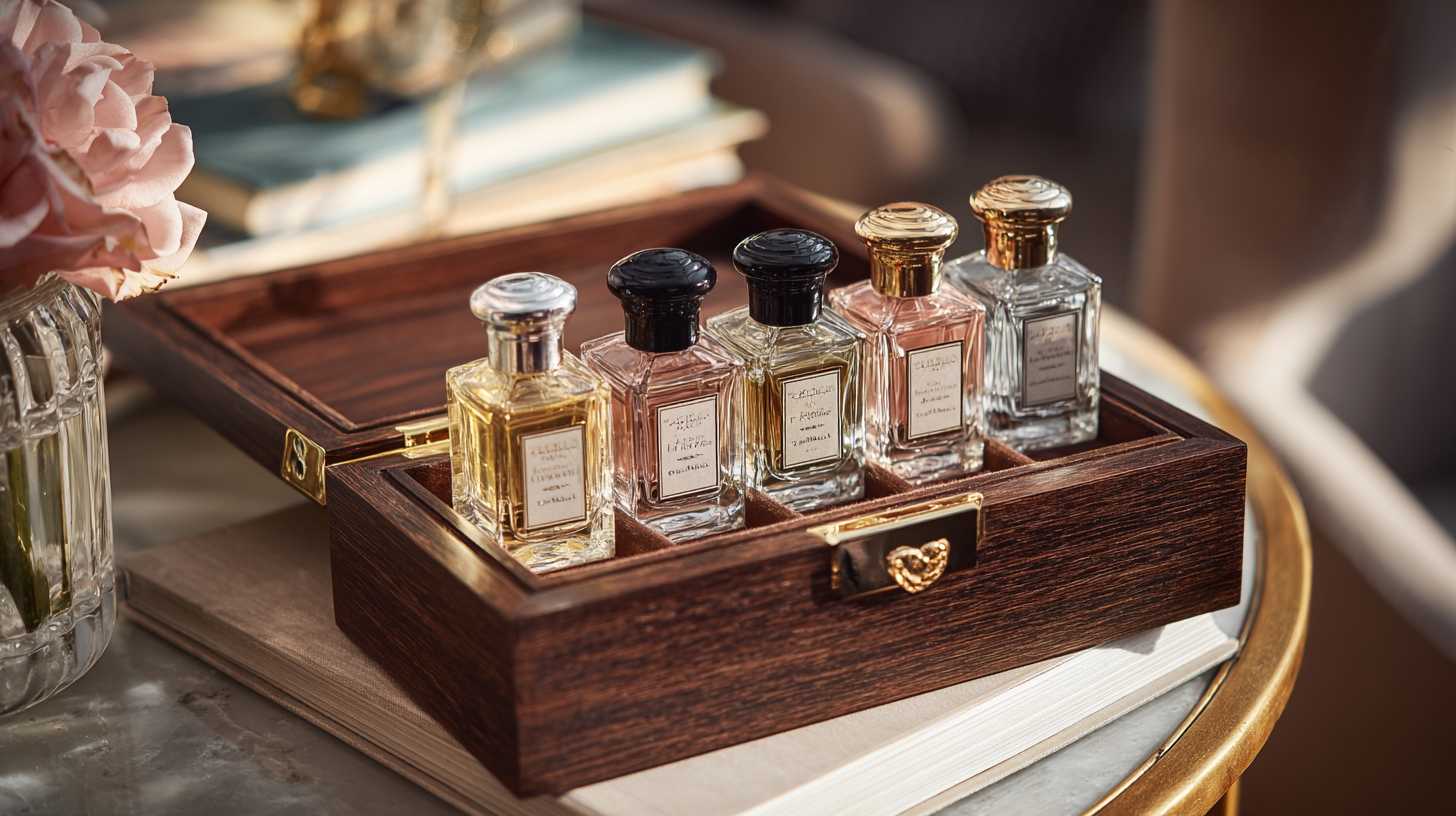
The Essence of Fragrance Oils and Their Role in Daily Life
Fragrance oils have captivated human senses for centuries, providing not just aromatic pleasure but also emotional and psychological benefits. Unlike essential oils, fragrance oils are carefully crafted synthetic or natural blends designed to mimic or enhance scents found in nature. They are widely used in personal care products, home fragrances, and industrial applications. Their popularity stems from the ability to evoke memories, create ambiance, and even influence mood. People often overlook the precision and creativity involved in producing a fragrance oil, yet it is this intricate process that distinguishes a simple aroma from a memorable sensory experience.
The Science Behind Creating Fragrance Oils
The creation of fragrance oils is a delicate balance of art and science. Perfumers, often referred to as “noses,” study the chemical structure of various aromatic compounds to craft scents that harmonize or contrast in sophisticated ways. Fragrance oils may combine natural extracts, like vanilla, jasmine, or sandalwood, with synthetic molecules that enhance longevity, strength, and complexity. This blend allows for consistency in smell that natural oils alone cannot always provide. Understanding volatility, diffusion, and molecular interaction is crucial, as these factors determine how the fragrance evolves over time and interacts with the environment and skin.
Different Types of Fragrance Oils and Their Applications
Fragrance oils are available in a wide spectrum, catering to diverse needs. Single-note oils focus on the purity of one scent, such as rose, lavender, or citrus, while blended oils combine multiple notes to create complex profiles like oriental, floral, or woody fragrances. They are incorporated in candles, soaps, perfumes, lotions, diffusers, and even cosmetic products. Industrial applications include adding pleasant scents to cleaning products, detergents, and air fresheners. Their versatility Custom fragrance oils makes them indispensable for both personal and commercial use, allowing creators to craft sensory experiences that align with brand identity or personal preference.
Health and Safety Considerations with Fragrance Oils
Although fragrance oils enhance sensory enjoyment, it is essential to handle them responsibly. Some individuals may experience skin irritation, allergic reactions, or respiratory sensitivity. Proper dilution and the use of carrier oils, such as jojoba or coconut oil, can mitigate risks when applied topically. In home environments, ensuring adequate ventilation and selecting high-quality, non-toxic oils is critical. Ethical considerations also play a role, as sustainable sourcing of natural ingredients and avoidance of harmful chemicals have become central concerns for conscientious consumers and manufacturers alike.
Fragrance Oils in Aromatherapy and Emotional Wellbeing
Beyond their aesthetic appeal, fragrance oils are widely valued in aromatherapy for their therapeutic properties. Scents such as lavender and chamomile are known for promoting relaxation, while peppermint and eucalyptus can enhance alertness and mental clarity. The strategic use of fragrance oils in diffusers, bath products, and personal fragrances can elevate daily routines, reduce stress, and create a harmonious environment. The psychological influence of scent demonstrates that fragrance oils are not merely decorative; they are tools for enhancing mental and emotional wellbeing.
Trends and Innovations in the Fragrance Oil Industry
The fragrance oil industry continues to evolve with consumer preferences and technological advancements. Modern trends include unisex fragrances, eco-conscious formulations, and hybrid blends that combine natural and synthetic elements for enhanced performance. Innovations in encapsulation and slow-release technology allow scents to last longer in candles, personal care products, and textiles. Social media and online marketplaces have also expanded access to niche and artisanal fragrances, allowing small creators to share unique olfactory experiences with a global audience.
Crafting Your Own Fragrance Oil Blends at Home
For enthusiasts, creating custom fragrance oils at home is both a science and an art. Selecting a balance of top, middle, and base notes ensures that a scent evolves pleasantly over time. Essential oils can be combined with carrier oils or neutral bases to achieve the desired intensity and longevity. Experimentation with ratios, layering complementary scents, and aging blends can yield personalized fragrances that reflect individual tastes. This DIY approach empowers people to explore creativity while understanding the subtleties that define professional fragrance design.
The Cultural and Historical Significance of Fragrance Oils
Throughout history, fragrance oils have held cultural, spiritual, and social significance. Ancient civilizations used aromatic oils in religious rituals, medicinal preparations, and luxury goods. In many cultures, fragrance has been a symbol of status, refinement, and identity. Modern fragrance oils continue this legacy by connecting people to sensory traditions, heritage, and personal expression. The enduring popularity of fragrance oils underscores their universal appeal and their ability to transcend mere scent, touching emotions, memories, and cultural narratives.
Environmental and Ethical Considerations in Fragrance Production
As the demand for fragrance oils grows, so does the responsibility to ensure environmental sustainability. Sourcing ingredients responsibly, avoiding overharvesting of natural resources, and minimizing chemical waste are crucial for reducing ecological impact. Many brands now emphasize cruelty-free testing, biodegradable formulations, and transparent ingredient sourcing. Ethical fragrance creation not only protects ecosystems but also aligns with the values of modern consumers who prioritize sustainability, health, and social responsibility in their purchasing decisions.
The Future of Fragrance Oils in Lifestyle and Wellness
Fragrance oils will continue to play a vital role in personal and commercial lifestyles. Advances in biotechnology, molecular chemistry, and consumer education are likely to enhance both the diversity and safety of fragrance products. Integration into wellness routines, smart home technologies, and sustainable design will make fragrance oils more accessible, personalized, and environmentally responsible. As sensory experiences gain recognition as a key component of wellbeing, fragrance oils will remain an essential element of everyday life, combining art, science, and emotion in a uniquely human way.
|
